
Meaning of Flower Colors: What Each Hue Symbolizes
Flowers speak a universal language. Even without words, a single bloom can communicate emotions that the heart struggles to express. For centuries, cultures around the world have assigned deep meanings to flowers, not only based on type but also color. In the Victorian era, entire messages were delivered through bouquets. Today, the meaning of flower colors continues to guide how we gift flowers for love, sympathy, celebration, and meaningful moments.
From the passionate red rose to the peaceful white lily, from bright yellow sunflowers to calming lavender blooms, color influences the emotional impact of every arrangement. This 2000-word guide explores the symbolism behind the most popular flower colors, how these meanings originated, and how you can use color to choose the perfect bouquet for any occasion.
Why Flower Colors Matter
Colors are powerful emotional triggers. They influence mood, memory, and perception. In flowers, color symbolism adds depth to the gesture:
- Red expresses passion
- Yellow brings joy
- White conveys purity
- Pink shows admiration
- Purple represents royalty
- Blue evokes peace
- Orange radiates energy
- Green symbolizes renewal
Understanding flower color meanings allows you to make more thoughtful, intentional choices when gifting or decorating with flowers.
Top rated products
-

Bold Beauty
د.إ120.00 -
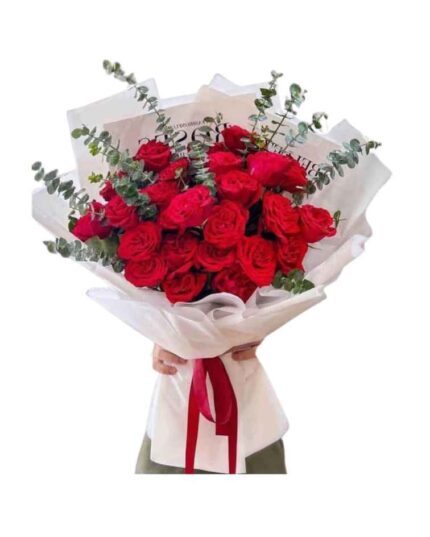
Crimson Elegance Bouquet
د.إ250.00 -
Rainbow Delight
Original price was: د.إ500.00.د.إ420.00Current price is: د.إ420.00. -
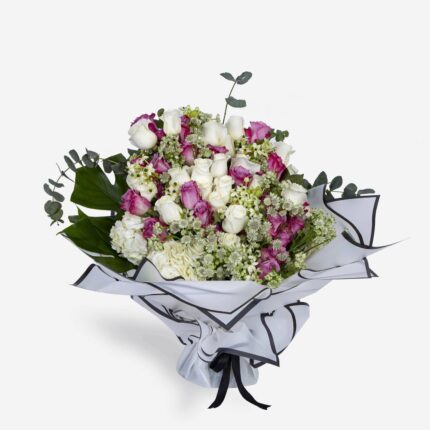
Lovely Medley
د.إ550.00 -

Pink and white flowers and birthday balloons
د.إ240.00
1. Red Flowers: Love, Passion & Strength
Red is the color of fire, intensity, and deep emotional connection. Among all flower colors, red carries the strongest romantic message.
Symbolic Meanings:
- Passionate love
- Desire
- Commitment
- Power
- Courage
- Respect
When to Give Red Flowers:
- Valentine’s Day
- Anniversaries
- Romantic celebrations
- Proposals
- Deep admiration
Red roses dominate this category, but red tulips, red gerberas, and red lilies also express bold devotion. When you want to convey powerful emotions, red flowers speak louder than words.
2. Pink Flowers: Admiration, Kindness & Sweetness
Pink flowers carry a gentle, comforting energy. Their soft hues represent affection without intensity, making them suitable for many relationships.
Symbolic Meanings:
- Appreciation
- Gratitude
- Joy
- Femininity
- Compassion
- Gentleness
When to Give Pink Flowers:
- Thank-you gifts
- Birthdays
- Mother’s Day
- Celebrating baby girls
- Friendship and support
Pink roses, peonies, carnations, and ranunculus beautifully capture warmth and tenderness. If you want to express admiration or gratitude, pink flowers are perfect.
3. White Flowers: Purity, Peace & New Beginnings
White is one of the most meaningful flower colors, symbolizing innocence, simplicity, and spiritual love.
Symbolic Meanings:
- Purity
- Honesty
- New beginnings
- Sympathy
- Spirituality
- Eternal love
When to Give White Flowers:
- Weddings
- Funerals
- Memorials
- Engagements
- Christenings
- Apologies
White roses, lilies, orchids, daisies, and hydrangeas are commonly used to express integrity and serenity. White flowers bring peace to emotional moments—both joyful and solemn.
4. Yellow Flowers: Friendship, Joy & Positivity
Yellow is the color of sunlight and happiness. Yellow flowers radiate warmth and optimism, making them the perfect choice for uplifting someone’s mood.
Symbolic Meanings:
- Friendship
- Cheerfulness
- Hope
- Positivity
- Warmth
- Good health
When to Give Yellow Flowers:
- Birthdays
- Get-well soon gifts
- Congratulations
- Appreciation
- Just-because surprises
Sunflowers, yellow roses, chrysanthemums, and tulips brighten any room and spirit. They’re ideal for expressing non-romantic affection or joyful celebration.
5. Orange Flowers: Energy, Confidence & Enthusiasm
Orange flowers are bold, vibrant, and full of life. Their energetic hue symbolizes motivation and excitement.
Symbolic Meanings:
- Enthusiasm
- Success
- Encouragement
- Ambition
- Confidence
- Creativity
When to Give Orange Flowers:
- Congratulations
- Career achievements
- New ventures
- Motivational moments
- Celebrations
Orange lilies, gerberas, roses, and marigolds reflect enthusiasm and make excellent gifts when cheering someone on. They signify “You’re doing great” or “Keep going!”
6. Purple Flowers: Royalty, Luxury & Mystery
Purple has long been associated with nobility, due to the rarity and cost of purple dye in ancient times. Purple flowers carry an air of elegance and sophistication.
Symbolic Meanings:
- Royalty
- Respect
- Success
- Enchantment
- Wisdom
- Spiritual depth
When to Give Purple Flowers:
- Milestones
- Formal occasions
- Respectful gestures
- Celebrating achievements
Purple orchids, lavender roses, irises, and lilies bring luxury to any arrangement. They are perfect for expressing admiration toward someone you deeply respect.
7. Blue Flowers: Peace, Inspiration & Calm
Blue flowers are rare in nature, giving them a uniquely soothing presence. They symbolize serenity and emotional balance.
Symbolic Meanings:
- Tranquility
- Trust
- Peace
- Wisdom
- Inspiration
- Stability
When to Give Blue Flowers:
- Emotional support
- Stress relief
- Spiritual occasions
- Reflective moments
Blue hydrangeas, delphiniums, cornflowers, and dyed blue roses create calm, thoughtful arrangements. They’re ideal for sending comfort or encouragement.
8. Green Flowers: Harmony, Renewal & Good Fortune
Green flowers embody freshness and growth, capturing the energy of nature and renewal.
Symbolic Meanings:
- Prosperity
- Good health
- Rejuvenation
- Harmony
- Luck
- New beginnings
When to Give Green Flowers:
- Housewarmings
- Wellness gifts
- New ventures
- Spring celebrations
Common green elements include green hydrangeas, bells of Ireland, green chrysanthemums, and succulent-based floral designs. They bring freshness, balance, and positivity.
9. Multicolor Bouquets: Happiness, Celebration & Personality
Mixed-color bouquets allow you to blend meanings and personalize your message.
Symbolic Combinations:
- Red + White: Unity and harmony
- Pink + Yellow: Joy and friendship
- Purple + White: Elegance and purity
- Orange + Yellow: Celebration and success
When to Give Multicolor Flowers:
- Birthdays
- Congratulations
- Housewarmings
- Celebrations
- Group gifting
A multicolor bouquet captures the energy of many emotions at once, making it perfect for big life moments.
The Psychology Behind Flower Colors
Flower color meanings are reinforced by color psychology—the study of how colors affect emotions and behavior.
Red increases heartbeat and emotional intensity.
Yellow stimulates joy and creativity.
Blue lowers stress and brings calm.
Pink creates feelings of warmth and safety.
Green promotes healing and harmony.
Orange boosts motivation.
Purple enhances imagination and luxury.
White clears the mind and symbolizes peace.
These psychological effects contribute to how we interpret flower colors today.
How to Choose the Right Flower Color
You can select flower colors more intentionally by considering:
1. The Occasion
- Romance → Red or pink
- Celebration → Yellow or orange
- Sympathy → White or blue
- Luxury → Purple
- New beginnings → White or green
2. The Recipient’s Personality
- Bold personalities → Orange, red, purple
- Gentle personalities → Pink, white, pastel tones
- Artistic types → Blue, lavender, multicolor
3. Cultural Traditions
Different cultures assign unique meanings:
- Japan: White flowers often mean purity but may also symbolize mourning.
- China: Red represents good fortune and celebration.
- Middle East: Yellow can symbolize prosperity.
- Western cultures: White is linked with weddings and spiritual purity.
4. Personal Preferences
Ultimately, knowing the recipient’s favorite colors enhances any bouquet’s emotional impact.
Flower Colors for Popular Occasions
For Love & Romance
Red, pink, lavender.
For Friendship
Yellow, orange, light pink.
For Sympathy
White, blue, soft pastels.
For Congratulations
Orange, yellow, mixed bright colors.
For Weddings
White, cream, blush pink.
For New Babies
Pink for baby girls, blue or soft yellow for baby boys.
For Corporate Gifting
White, green, purple.
Flower Color Meanings in Weddings
Weddings rely heavily on color symbolism:
- White: Purity and unity
- Blush pink: Romance
- Peach: Warmth and sincerity
- Lavender: Elegance and enchantment
- Green: Fresh beginnings
- Blue: Peace and trust
Each color helps tell the emotional story of the couple’s journey.
Flower Color Meanings in Funerals
In funerals, colors comfort the grieving:
- White: Peace, reverence
- Blue: Comfort and calm
- Purple: Dignity
- Green: Renewal
- Yellow: Celebration of life
These symbolic hues help express support during difficult times.
Why Flower Color Symbolism Still Matters Today
Even in a fast-paced digital world, the meaning of flower colors remains important:
- They make gifting more meaningful
- They help express emotions clearly
- They add depth to celebrations
- They honor traditions
- They bring comfort during emotional moments
Choosing the right color transforms a simple bouquet into a heartfelt message.
Final Thoughts
Flower colors express emotions in ways words sometimes cannot. From the passion of red to the purity of white, the joy of yellow to the mystery of purple, each hue carries its own story. By understanding the meaning of flower colors, you can choose arrangements that speak directly from the heart and make every moment more meaningful.
Whether celebrating love, offering comfort, expressing gratitude, or marking life’s milestones, flowers—and their colors—remain one of the most beautiful and timeless ways to communicate.